How to Know If You’re Having a Drug Reaction
Medications are meant to help you heal, but sometimes they can cause unwanted effects. Knowing how to recognize drug reaction symptoms early can protect your health and even save your life. Whether you’re experiencing mild medication side effects or signs of a severe allergic reaction, understanding the warning signs is essential.
What Is an Adverse Drug Reaction?
An adverse drug reaction is any unwanted or harmful response to a medication taken at normal doses. These reactions can range from mild discomfort to life-threatening conditions such as anaphylaxis. At Hilldrugs Compounding & Pharmacy, we help patients understand and manage medication-related risks. Drug reactions may be caused by:
- Medication allergies
- Drug intolerance
- Drug interactions
- Dosage-related reactions
- Delayed drug reactions
Common Drug Reaction Symptoms
1. Skin Reactions
Skin symptoms are among the most common signs that a medication may be causing problems:
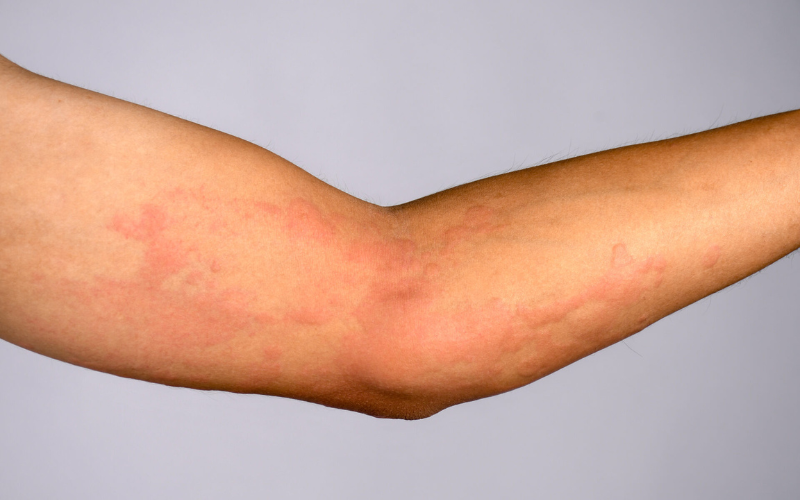
- Skin rash or hives
- Redness or itching
- Skin rash from medication that spreads or worsens
- Peeling or blistering skin (a serious warning sign)
2. Allergic Reaction Symptoms
Signs of an allergic reaction to medication often appear suddenly and may include:
- Swelling of the face, lips, tongue, or throat
- Difficulty breathing or wheezing
- Tightness in the chest
- Rapid heartbeat
These symptoms may indicate a severe allergic reaction (anaphylaxis) and require immediate emergency care.
3. Gastrointestinal Side Effects
Some drug reactions affect the digestive system:
- Gastrointestinal upset
- Nausea or vomiting
- Diarrhea
- Abdominal pain
These are often side effects, but persistent or severe symptoms should be evaluated.
4. Delayed Drug Reactions
Not all reactions happen right away. A delayed reaction can occur days or even weeks after starting a medication:
- Fever
- Joint pain
- Fatigue
- Rash appearing later
This is common with some antibiotics and long-term medications.
Medication Side Effects vs. Allergic Reactions
Many customers at a drug store ask how they can tell if they’re experiencing a normal side effect or an allergic reaction to their medication.
| Side Effects | Allergic Reactions |
| Dose-related | Not dose-dependent |
| Often expected | Immune system response |
| May improve over time | Usually worsens |
| Examples: nausea, drowsiness | Examples: hives, swelling, breathing difficulty |
If you’re unsure, always consult your pharmacist or healthcare provider.
Allergic Reaction to Antibiotics
Antibiotics are one of the most common causes of drug store pharmacy prescriptions that lead to drug allergy symptoms.
- Penicillin
- Sulfa drugs
- Cephalosporins
Symptoms may include rash, itching, swelling, or anaphylaxis in severe cases.
Drug Interaction Symptoms
Sometimes a reaction isn’t caused by one drug alone. Drug interaction symptoms can happen when medications are combined:
- Dizziness
- Confusion
- Heart rhythm changes
- Increased side effects
Always inform your pharmacist about all medications and supplements you take.
When Should I Stop Taking a Medication?
You may wonder: Should I stop taking a medication if I suspect a reaction?
- Stop immediately and seek emergency care if you have signs of anaphylaxis
- Do not stop abruptly without guidance for mild or unclear symptoms
- Contact your pharmacist or doctor if symptoms persist or worsen
When to Seek Medical Help for a Drug Reaction
Get medical help right away if you experience:
- Trouble breathing
- Swelling of the face or throat
- Severe rash or blistering
- High fever
- Fainting or confusion
These are medication safety warning signs that should never be ignored.
Medication Safety Awareness Tips
- Keep a list of common medication allergies
- Read prescription labels carefully
- Ask about possible side effects before starting a new drug
- Report any unusual symptoms early
- Use one pharmacy when possible to reduce drug interaction risks
Community pharmacies, such as independent local pharmacies, play an important role in medication safety awareness by helping patients recognize warning signs early.
Experiencing Unusual Symptoms? Contact us
Knowing how to tell if medicine is causing side effects empowers you to protect your health. Whether it’s a mild reaction or a serious allergic response, early recognition and professional guidance are key.
If you ever feel unsure about a medication reaction, trust your instincts and seek help. Your safety always comes first. Hilldrugs Pharmacy provides expert guidance on selecting the right medications and educates patients on proper and safe wound care practices. Contact us today at 949-640-6564 for assistance.
Frequently Asked Questions
What are the most common signs of a drug reaction?
Common signs of a drug reaction include rashes, itching, swelling, nausea, vomiting, dizziness, headache, or trouble breathing. Some people may also experience fever, fatigue, or changes in blood pressure after taking a medication.
How soon do drug reactions usually start?
A drug reaction can happen within minutes, hours, or even days after taking a medicine. Allergic reactions often occur quickly, while other side effects may develop gradually over time as the drug builds up in your body.
What’s the difference between a drug side effect and an allergic reaction?
A side effect is a known, expected response to a medication, such as drowsiness or dry mouth. A drug allergy is an immune system reaction and can cause hives, swelling, difficulty breathing, or anaphylaxis, which is a medical emergency.
When should I seek medical help for a drug reaction?
You should seek immediate medical help if you have trouble breathing, swelling of the face or throat, severe rash, fainting, or chest pain. Mild symptoms like nausea or itching should still be reported to your doctor, especially if they get worse.
Can drug reactions get worse if I keep taking the medication?
Yes, continuing a medication that is causing a reaction can make symptoms more severe. Repeated exposure may increase the risk of serious complications, so it’s important to stop the drug and contact a healthcare provider if you suspect a reaction.